

How Do You Become a Camp Counselor?
Posted by: Birch Rock Camp

If you’ve ever thought about becoming a camp counselor, you’re considering one of the most rewarding summer jobs available. Camps like Birch Rock Camp in Maine are always looking for enthusiastic, caring individuals who want to make a difference in kids’ lives.
But what does it actually take to become a camp counselor? Let’s walk through the journey.
What Camp Counselors Really Do?
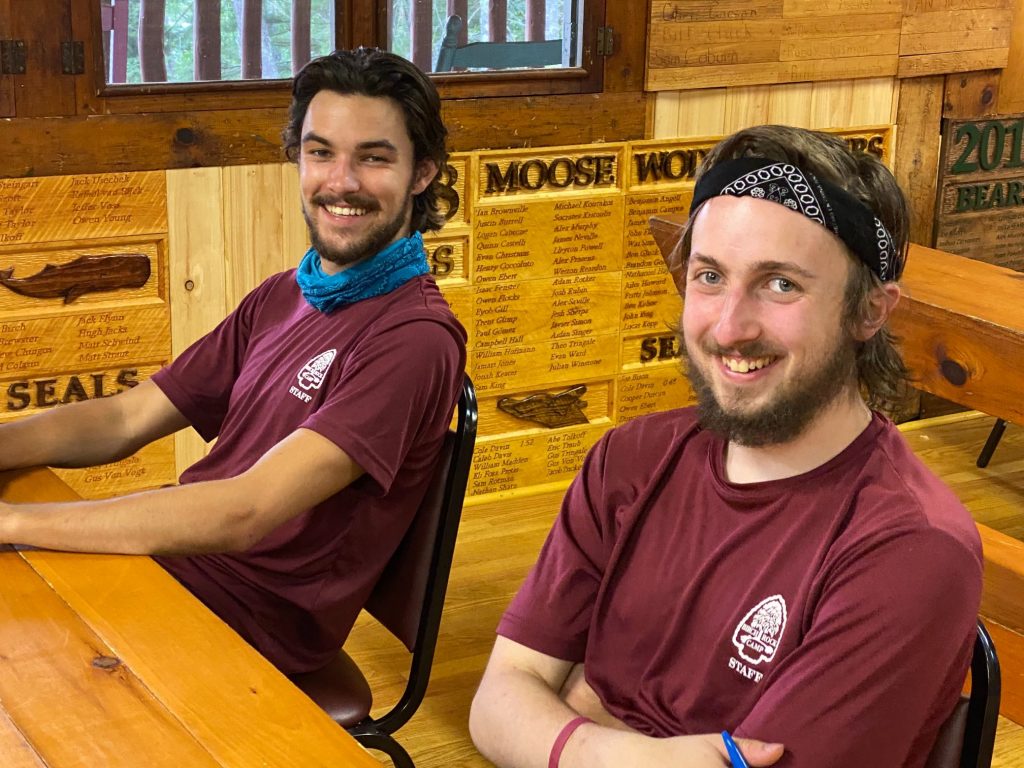
Before diving into the application process, it’s important to learn what being a camp counselor truly entails. Yes, you’ll teach or guide activities like swimming, archery, or arts and crafts, but the role goes much deeper than that.
Camp counselors are mentors, role models, and sometimes even temporary guardians. You’ll be responsible for campers’ safety, emotional well-being, and daily needs. You’ll help homesick campers adjust, mediate conflicts between bunkmates, and create an environment where every child feels valued and included.
At Birch Rock Camp, our counselors actively engage. Whether you’re leading a hike through Maine’s beautiful wilderness, teaching proper canoe strokes, helping with an art project, or simply sitting with a camper who needs someone to talk to, every moment matters.
The best camp counselors understand that their influence extends far beyond their specialty activity, which is why it’s such a rewarding job. They’re building character, fostering independence, and creating memories that campers will carry for a lifetime.
Meeting the Basic Requirements
Most overnight camps, including Birch Rock Camp, require counselors to be at least 18 years old, though some positions may be available for 17-year-olds depending on experience and maturity.
You’ll typically need to have completed at least one year of college, though this isn’t always a hard requirement if you bring exceptional skills or relevant experience to the table.
That said, age and education are just the starting point. Camps look for individuals with genuine enthusiasm for working with children, strong communication skills, and the physical stamina to keep up with active days that can stretch from early morning until lights out.
You should be comfortable living in a rustic environment, adapting to changing situations, and working as part of a team. If you have specialized skills in sports, outdoor activities, arts, music, or other camp programming areas, that’s a definite plus.
Gaining Relevant Experience
You don’t need years of experience to become a camp counselor, but any background working with children will strengthen your application significantly. Babysitting, tutoring, coaching youth sports, volunteering at schools or community centers, or even informal leadership roles with younger siblings can all demonstrate your capability and commitment.
If you’re still in high school or early in college and dreaming of becoming a counselor, start building your resume now. Consider volunteering with youth organizations like scouting groups, Boys & Girls Clubs, or religious youth programs. Take courses in child development, first aid, or outdoor education. Even retail or food service jobs that require customer service and problem-solving can translate to valuable counselor skills.
The Application Process

Once you’ve decided to pursue a counselor position at Birch Rock Camp, the application process typically begins in late fall or early winter for the following summer.
Our application asks about your background, experience, skills, and interests, but it also seeks to understand who you are as a person. We want to know what motivates you, how you handle challenges, and what you hope to gain from the experience.
You’ll need to provide references. These should be people who can speak to your character, work ethic, and ability to work with children. Choose references thoughtfully. A former teacher, coach, youth group leader, or previous employer who knows you well will be most valuable.
Many camps conduct interviews, either in person, by phone, or via video call. This is your opportunity to let your personality shine and to ask questions about the camp’s philosophy, expectations, and culture. Come prepared to discuss specific examples of how you’ve handled difficult situations, worked with diverse groups, and demonstrated leadership.
Required Training and Certifications
Before you arrive at camp, you’ll likely need certain certifications. At minimum, most camps require current CPR and First Aid certification. Depending on your role, you might also need lifeguard certification, wilderness first aid training, or specialized activity certifications.
Don’t let the certification requirements intimidate you. Many camps, including Birch Rock Camp, help facilitate training or hold it during staff orientation week. We invest in our counselors because we know that proper training makes everyone safer and more confident in their roles.
What Comes Next
Becoming a camp counselor opens doors you might not expect. The leadership, problem-solving, and interpersonal skills you develop are highly valued by future employers and graduate schools. Many counselors return summer after summer, eventually moving into senior staff or director roles. Others take what they’ve learned into careers in education, social work, recreation management, and beyond.
More importantly, you’ll become part of something bigger than yourself. You’ll become a part of a community dedicated to helping young people grow, discover their strengths, and experience the transformative power of summer camp!
If that sounds like the kind of summer you want to have, we’d love to hear from you at Birch Rock Camp. Fill out the request info form or start an application today!