


5 Signs You Have What It Takes to Be an Amazing Camp Counselor
Posted by: Birch Rock Camp
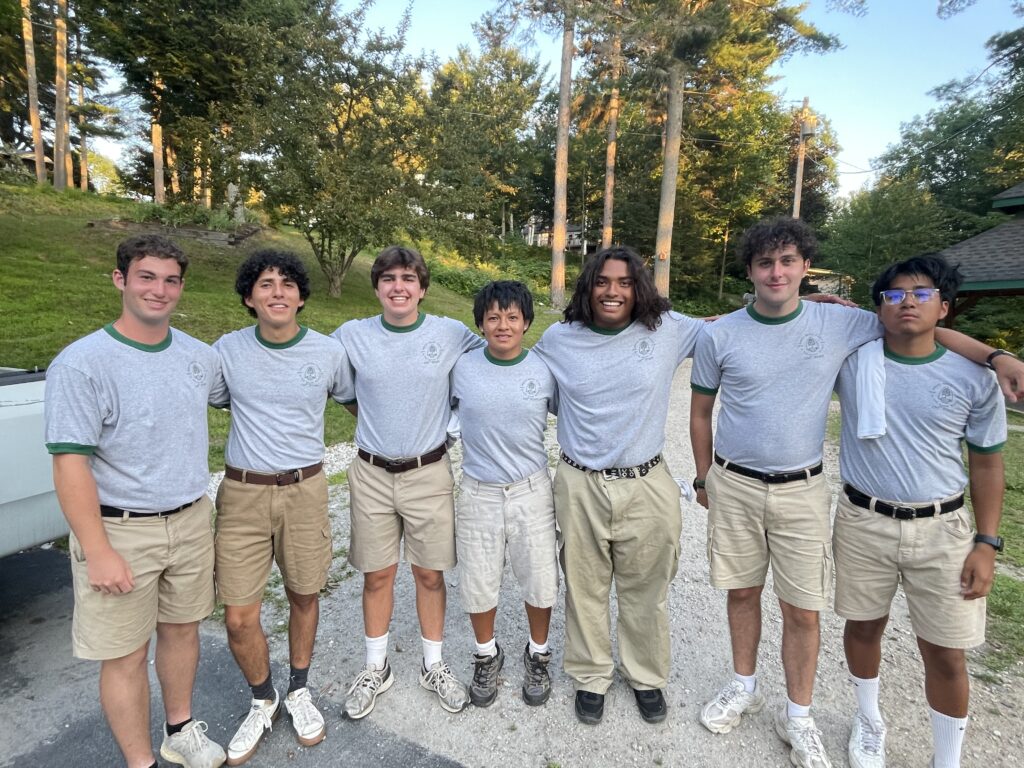
The night before my first staff week, I was lying awake in a cabin listening to the loons and wondering if I had made the right choice. I had spent six summers at Birch Rock as a camper. I knew every trail, every song, and all of the unique things that keep campers coming back. What I didn’t know was whether loving camp as a boy meant I’d make a good camp counselor.
Four summers later, I now know that nobody shows up knowing it all, but the counselors who turn out great usually carry a few of the same instincts.
If you’re weighing a summer on staff, here’s what I’d recommend looking for in yourself.
1. You Remember the Counselor Who Noticed You
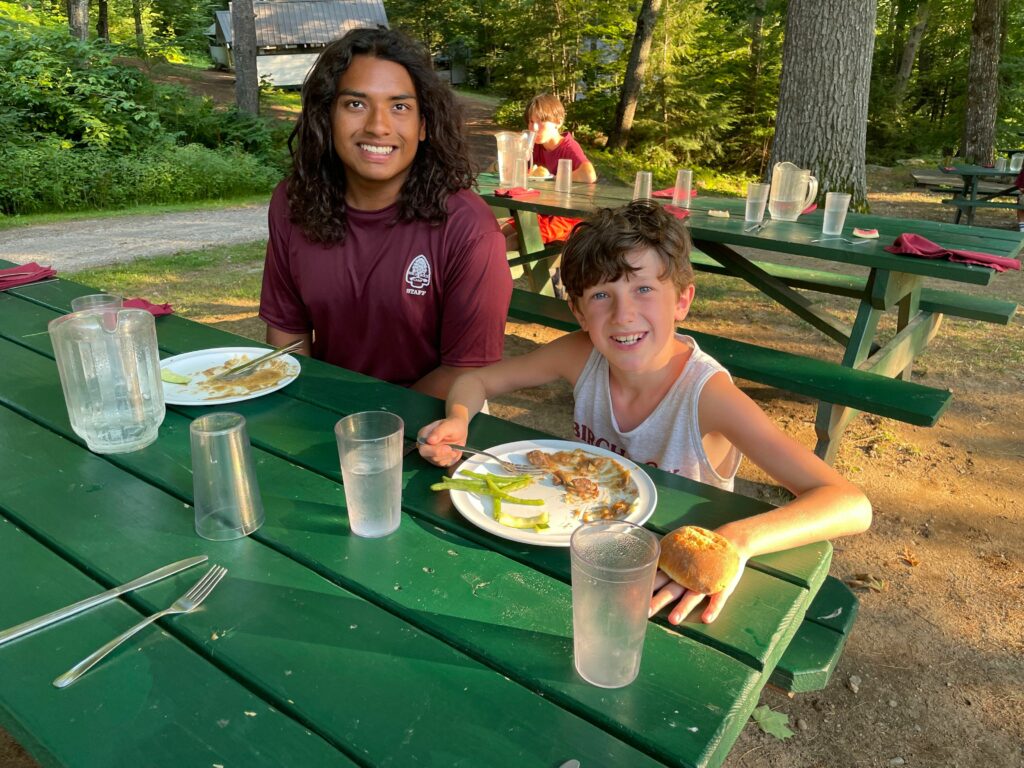
On swim test day during my second summer on staff, a new Cub named Owen stood at the back of the line with his towel wrapped around his shoulders like a cape. Every other boy wanted to go first and Owen kept letting people cut in front of him. I recognized that move because I’d made it myself at nine. A counselor named Pete had wandered over, sat down on the dock, and asked me whether I thought the lake had fish big enough to swallow a sneaker. We talked about fish for ten minutes, and then I swam.
So, I sat down next to Owen and asked him about fish. If you can remember the grown-up who saw you when you were trying to disappear, and you want to be that person for someone else, you already have the most important part.
2. You Can Laugh When the Joke Is on You
In July of my first year as a camp counselor, it rained for three days straight. By the second afternoon, the Lodge smelled like wet socks, and the boys were bouncing off every surface they could find.
Our cabin had signed up for skit night, and I let my campers write the script. They cast me as a moose. The costume involved two canoe paddles, a brown wool blanket, and duct tape. I tripped over the blanket on my entrance and landed flat on the stage. The room erupted in laughter. I stayed down and let out a sad moose groan, which only made it louder.
Young boys tend to have an easier time relaxing around adults who don’t take themselves too seriously. The kid who struck out at softball or capsized his sailboat feels a lot better once he’s watched his counselor go down as a moose. If you laugh at yourself easily, campers will trust you faster.
3. You Stay Steady When the Plan Falls Apart
Last August I co-led an overnight canoe trip with six older boys. About two hours from our campsite, the sky turned dark, and the thunder came before we could count to ten after the flash. We got off the water, pulled the canoes up, and crouched in a low spot away from the tallest trees. One of the boys asked me whether we were going to be okay. I decided right then to keep my voice exactly the way it sounds when I’m asking someone to pass the ketchup. Yes, we were fine. Yes, we’d wait it out. Did anyone have the trail mix? Campers read your face constantly. If you can feel the nerves and still keep your hands steady, you’re built for this.
4. You Already Help the Other Fellow
Birch Rock’s motto has been part of camp for generations.
Most days it shows up in small ways like a counselor grabbing the heavier pack on the portage or noticing that the last boy through the dinner line got the burnt corner of the lasagna and quietly trades plates with him.
Some of the best staff I’ve worked with came up through the Junior Counselor program, and you could see the motto in them early on. If helping comes to you before anybody asks, this job will feel natural, and it gives a lot back.
There are so many benefits of being a camp counselor, and beyond friendships, the leadership skills you get that you won’t pick up at most summer jobs are among the highest on the list for me.
5. You Can Sit with a Homesick Boy Without Rushing to Fix It
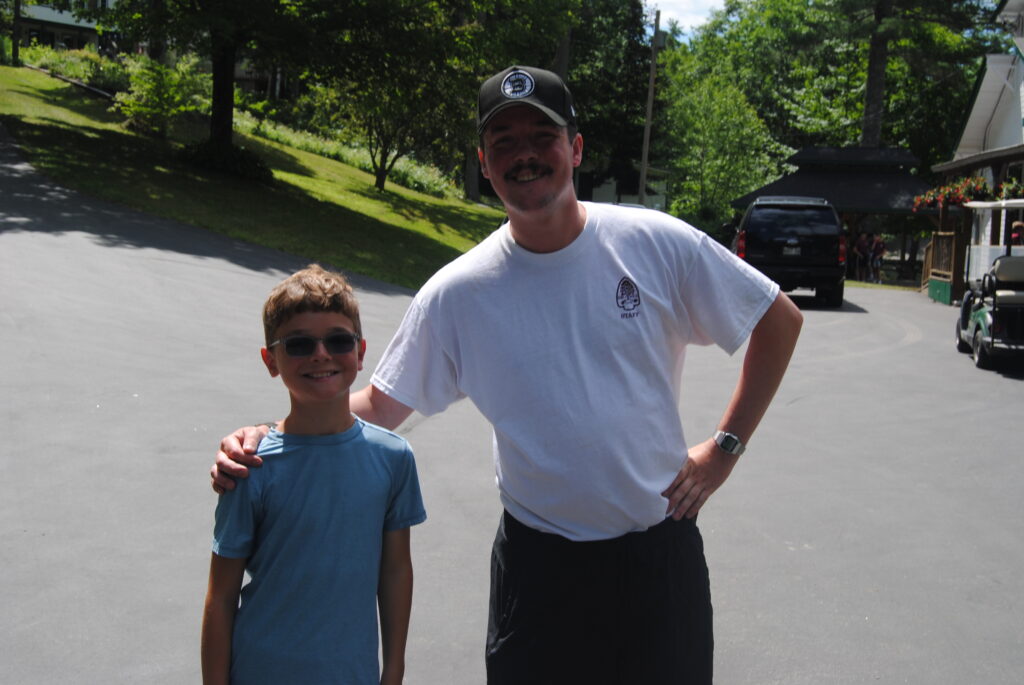
The hardest night of my first summer as a counselor happened around 10:30. One of the 8-year-old campers had held it together all day and came apart right after lights out. He wanted to go home. He wanted his mom and missed his dog, Biscuit.
I badly wanted to find the magic words that would make him feel better, but there aren’t any. What worked, slowly, was sitting there with him. I told him that missing home meant he had a good one. I asked about Biscuit. We listened to the lake for a long while. Eventually he leaned against my arm and went quiet, and I walked him back to his bunk.
Sam came back the next summer, and the one after that. He doesn’t remember that night, but I do!
If you can be patient with someone’s hard feelings without hurrying them along, you’ll be the counselor a homesick kid needs.
On my last evening of camp this summer, I stood in the Lodge and read the names on the walls, some painted there in 1926. My own name is up there from when I was eleven. Pete’s is two boards over. That’s how this place keeps going, one summer at a time, each counselor passing along what someone once gave him.
If you saw yourself in any of this, you probably have more of what it takes than you think. Trust that, and reach out to ask about joining the staff!