



Are Summer Camps Good for Boys Who Are Introverted?
Posted by: Birch Rock Camp
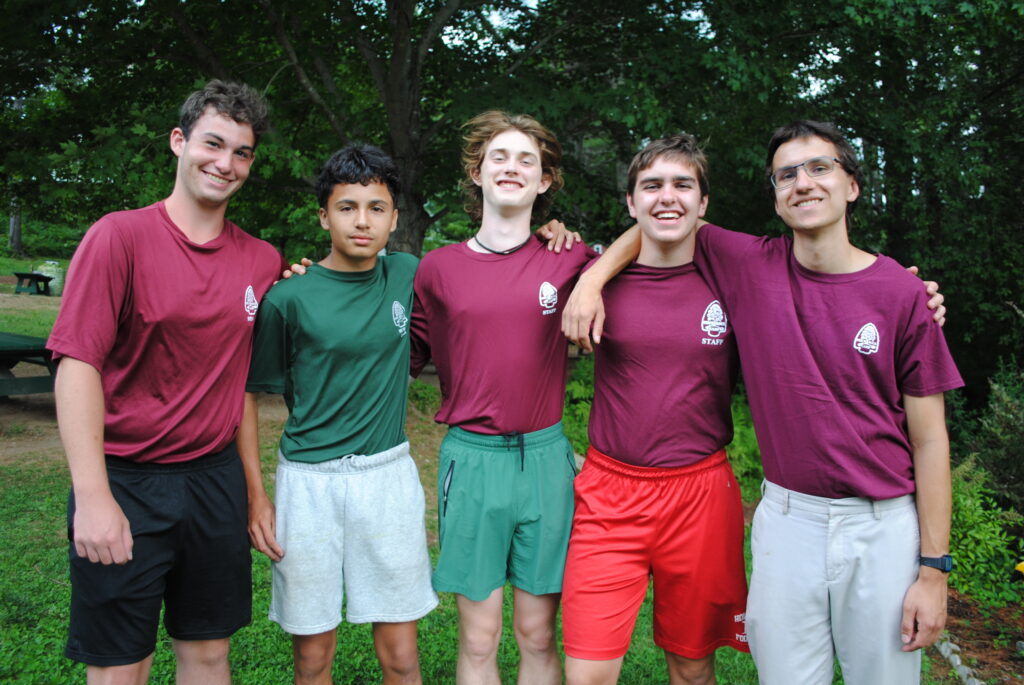
My son has always been a reader. Even as a little kid, he’d disappear into his room with a book while the neighbor kids were tearing around the yard, and he seemed genuinely happy there. He’s never been shy, he could hold a real conversation with an adult, but it seemed like big groups (birthday parties, for example) wore him out socially. So when we started looking into sleepaway camp, I’ll admit I was worried. Would a camp built around group activities and communal living be too much for him? Would he spend four weeks forcing himself through it and come home hollowed out?
I didn’t know for certain. What I did know was that he was curious, patient, and good at figuring things out on his own. And that those felt like the makings of a kid who could do well somewhere like summer camp!
What We Were Most Afraid Of
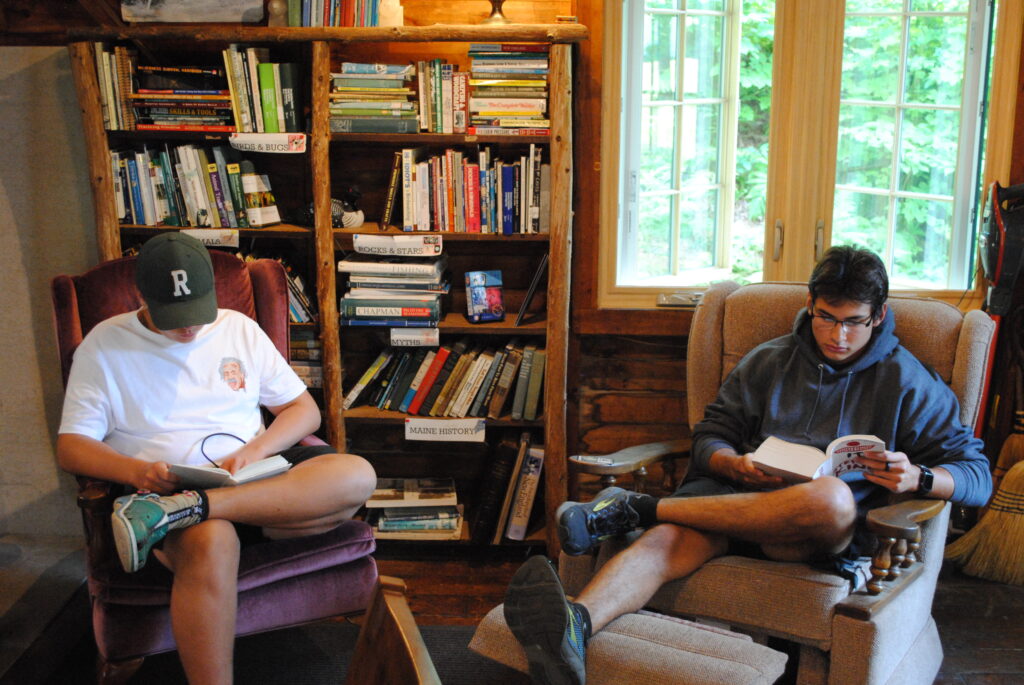
I worried about the moments between activities, the forced togetherness in a cabin with seven other boys, the pressure to perform socially at mealtimes, the sense that the loudest kid always gets noticed, and the quiet one gets lost. I’d seen that happen in school, and camp felt like the same social math with nowhere to escape.
I also worried that a counselor managing a whole cabin of boys wouldn’t have the bandwidth to notice the kid who was doing fine but doing it quietly. That my son would disappear.
Those fears were real. I’m not going to tell you they were silly. But what I learned over the course of that first summer is that camp, the right camp, doesn’t work the way school does. The social math is different here.
What the Activities Actually Rewarded
What I hadn’t fully thought through was the kind of place Birch Rock actually is. When I read through the regular activities and saw sailing, canoeing, woodworking, archery, and nature study, I started to notice something. These activities rewarded exactly what my son has: patience, focus, and the ability to sit with something and learn about it.
My son, as it turned out, is an excellent canoeist. According to his counselor, he took to it like he’d been doing it for years. He said that he liked that you had to pay attention to the water and that getting it right was a quiet accomplishment. This is how confidence actually gets built in an introverted boy. Being someplace where the things he’s already good at (the patience, the focus, the willingness to sit with something until he understands it) are exactly the things that place value. Not by pushing him to be louder, not by coaching him to work the room, not by telling him to come out of his shell.
The Thing About Cabins
Here’s what I didn’t fully appreciate before that first summer: the cabin structure is actually kind to introverted kids.
My son wasn’t dropped into a crowd of 80 boys and told to make friends. He came home to the same seven kids every night, ate with them, complained about bugs with them, learned some inside jokes that only those eight people would ever find funny.
It’s nice because the small environment is exactly what introverted kids are good at. They don’t need a lot of people. They need the right ones, and enough time to figure out who those are. By the end of his first session, my son had two friends he still talks about!
The Cubs program, which is designed for boys who are newer to camp life, was especially good for this. The staff seemed to understand that some boys take longer to open up, and they weren’t in a hurry. Nobody made him feel like he was behind some social schedule.
When We Picked Him Up at the End of Summer
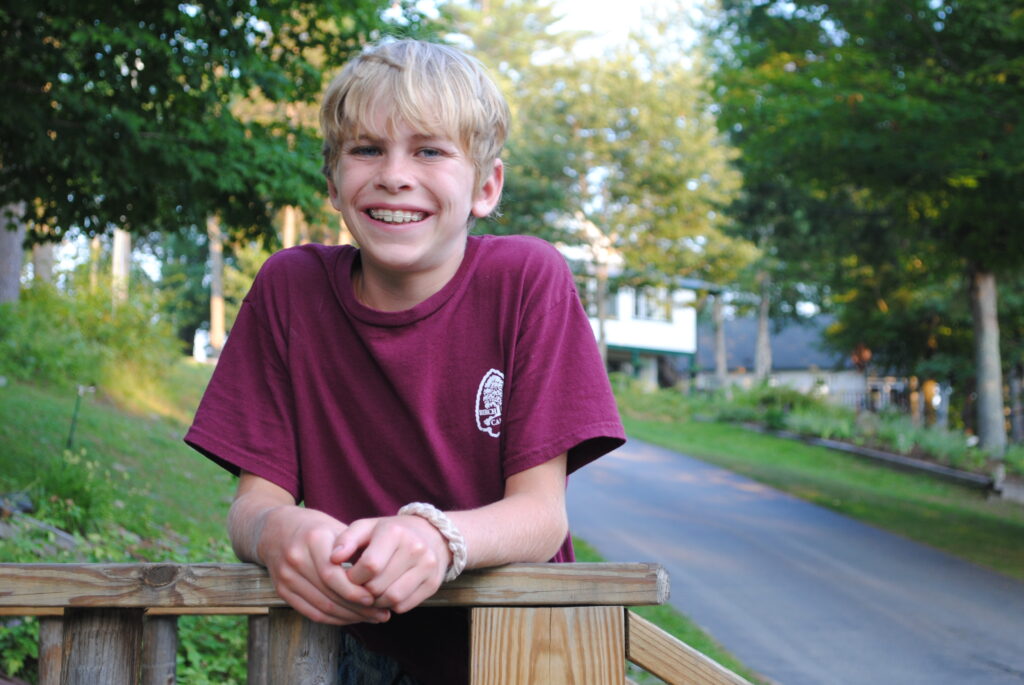
I want to be careful about how I describe pickup, because I’ve read a hundred camp blog posts where the kid runs out of the woods transformed, eyes shining, a new human being. However, in our experience, it wasn’t quite that loud.
About an hour down the road, he started talking. He told us about the night they stayed up late watching a meteor shower, a counselor who knew everything about bird calls, the time his canoe partner panicked in the middle of the lake, and he had to talk him through it.
While he didn’t come home louder, he came back more confident. There’s a long tradition at Birch Rock of the camp not trying to make boys into a particular kind of boy. Something about that came through in how my son talked about the place, like it had let him be exactly who he was, and for our family, that was one of the best things that came from the summer camp experience at Birch Rock!
What I’d Tell Another Parent
If you’re reading this because you have a quiet kid and you’re not sure camp is right for him, I understand exactly where you are. And while I can’t promise you it’ll go perfectly, what I can tell you is that the question worth asking isn’t “will camp turn him into an extrovert?” It’s “will camp give him a place to grow on his own terms?” Those are very different questions, and the second one has a better answer!
The family guide helped us prepare him practically, but honestly, arguably the most important thing we did was tell him he didn’t have to not be nervous, he just had to try it. And in the end, he was so glad he did!
Contact us today to learn more about how great summer camp can be for introverted boys, helping them to gain confidence and come home with a stronger sense of who they are.